
adversiment
Did you know that about 60% of Canadian homes have at least one smart device? Examples include Google Nest thermostats and Amazon Alexa speakers. This shows how popular smart living has become in Canada.
As smart home setups become more common, there’s a trade-off. There’s the benefit of easy living but also risks to privacy and security. Many Canadians are asking themselves – is the convenience worth the potential risks?
Let’s explore what having a smart home means. We’ll look at popular gadgets like ecobee thermostats and Arlo cameras. Also, we’ll explain how these devices can save energy and make daily life easier. Then, we’ll discuss the risks, such as privacy breaches and hacking. We’ll give tips for staying safe online and talk about Canadian laws and insurance matters.
This article will provide detailed, helpful advice. It’s for anyone interested in smart homes and making informed choices in Canada.
What is a Smart Home?
Smart homes mix everyday items with advanced tech for easier living. They automate tasks using connected devices. This includes controlling lights from your phone to setting up security systems.
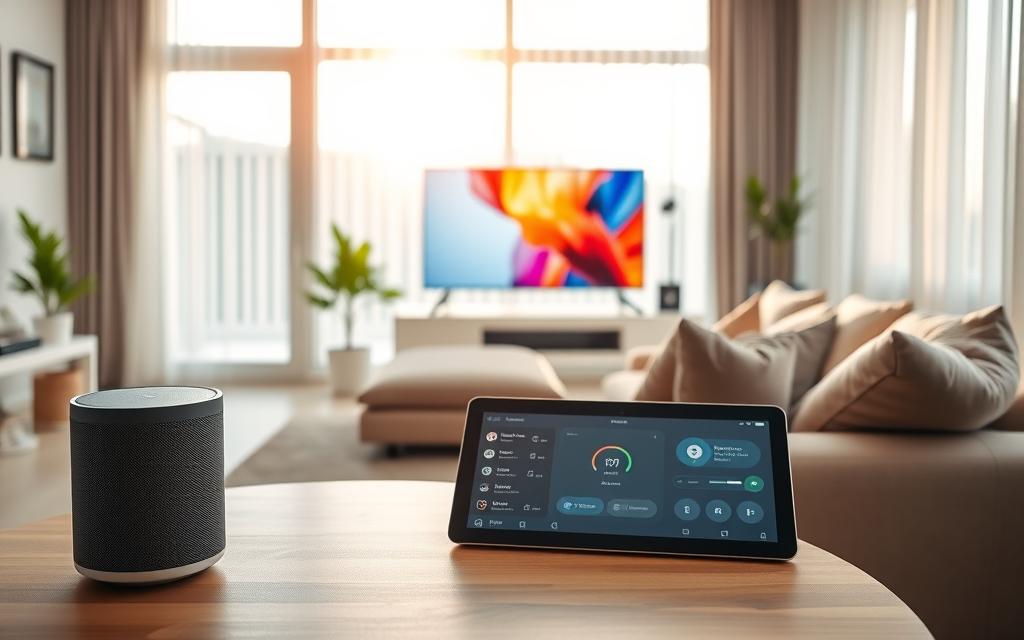
There’s a big gap between one smart device and a whole smart home system. A Wi-Fi plug for a lamp is just a device. But, when devices work together using platforms like Apple HomeKit, that’s when you get a smart home.
Definition of Smart Home Technology
Smart home tech means devices talk to each other to make your life simpler. You can turn things on or off from anywhere using your phone. It also helps you keep an eye on energy use and fix problems early.
Key Features of Smart Homes
You can control your home’s climate or lights with just a tap or your voice. Set up automatic actions, like turning on lights when you’re near home. It can also act based on the time or if devices are on or off.
Thanks to standards like Matter, different brands work better together. They can predict when things need fixing, which helps save energy. Brands like ecobee and Philips Hue are examples of how tech makes homes smarter today.
Smart homes are also great for people who need extra help. They allow easy control over the house, which is a big help for seniors or those with disabilities. This makes smart homes friendly for everyone.
Benefits of Smart Home Devices
Smart technology changes how we do daily tasks and what we focus on at home. It simplifies routine chores, saves energy, and makes our homes safer. Here are ways smart homes are helping Canadians.
Increased Convenience and Comfort
Using Amazon Echo or Google Nest, you can control things with your voice. Turn down lights, play tunes, or check weather without stopping what you’re doing.
Set your morning and evening routines to auto mode. Imagine your coffee ready, blinds open, and the bathroom warm when you get up.
You can manage your home from anywhere with remote control. Adjust the heat or start a Roomba with your phone. This saves time and worry, especially when plans change.
Energy Efficiency and Cost Savings
Devices like ecobee or Nest smart thermostats learn your habits. They adjust your home’s temperature to cut waste. This saves you money and is better for the planet.
Smart plugs and monitors track how much electricity you use. They show how to save, and utilities in Canada even give perks for using smart home tech.
Research shows using smart thermostats and home automation cuts energy use. Even small changes make a big difference over time.
Enhanced Home Security
With smart locks from August or Yale, you can let people in remotely. No more hiding keys. It gives you more control over who enters.
Arlo and Ring cameras send alerts, have two-way talk, and record videos. Having cameras visible can stop trouble before it starts and helps if you need proof later.
Adding alarm services to your system boosts security. Mixing sensors, locks, and cameras gives you more protection and quicker updates on any problems.
| Benefit | Representative Device or Brand | Key Advantage |
|---|---|---|
| Convenient living | Amazon Echo, Google Nest | Hands-free control, routines that save time |
| Energy efficiency | ecobee, Nest thermostats | Optimised HVAC, lower utility costs |
| Home security | Arlo, Ring, August, Yale | Remote access, deterrence, recorded evidence |
| Home automation | iRobot Roomba, smart plugs | Routine tasks automated, appliance monitoring |
Popular Smart Home Devices
Smart technology has improved life in Canadian homes. It talks about top devices and tips for adding them to your smart home.
Smart Thermostats
Brands like Nest (Google) and ecobee make smart thermostats. They learn your routine to save energy. Features include learning systems, sensors, geofencing, and HVAC system integration.
They let you schedule for seasons and give energy reports to cut bills. Check if it works with your heating system and wiring before you buy.
Some people can install them on their own. But with complicated furnaces or systems, get a pro to do it safely and well.
Security Cameras
Security cameras from brands like Arlo, Ring, and Nest Cam are available. You can choose from indoor, outdoor, battery-powered, or wired versions. They offer floodlight and doorbell cameras for extra safety.
Look at features like motion sensors, night vision, and storage options. Privacy zones prevent recording neighbours, important in Canada.
Check subscription prices for cloud storage. Remember, local laws can influence recording in public areas. Always consider legality and neighbourly respect.
Voice-Activated Assistants
Assistants like Amazon Alexa, Google Assistant, and Siri (via HomePod) are central to voice control. They manage thermostats, cameras, and streaming for easy use.
They’re great for controlling lights and media without hands, using voice in different rooms, and setting up device routines. Choose based on compatibility and if processing is local or cloud-based.
Privacy is key. Look for ways to limit activation and review or delete recordings. This keeps your data safe while enjoying smart home perks.
How Smart Home Devices Work
Smart homes use appliances and sensors to make devices communicate and act automatically. They connect to the Internet of Things for exchanging data. This makes our lives more convenient by automating home tasks.
Internet of Things Explained
The Internet of Things (IoT) connects physical devices with technology to exchange information. These devices track everything from temperature to energy use. They then send this information to be processed.
Apps and voice assistants use this data to carry out tasks. For instance, when a thermostat detects a change in temperature, it can adjust the heater. Or, a camera might send a video to your phone if it notices movement. This flow of data helps automate our homes.
Connectivity Protocols for Smart Devices
Smart devices talk to each other using different protocols. Wi-Fi is used by devices that need a lot of bandwidth, like smart speakers. Others, like wearables, use Bluetooth for a direct connection.
Mesh networks, such as Zigbee and Z-Wave, are critical for devices like smart bulbs. They save battery and increase coverage by passing messages between devices. New standards like Thread and Matter are being developed to work better together.
Hubs like Apple HomeKit or Samsung SmartThings serve as translators between devices. The right placement of devices and a strong mesh network improve connection. This especially helps with devices that need a lot of data, like cameras.
Security is crucial in choosing protocols. Different protocols have varied levels of encryption and ways to update. Picking devices from trusted brands can keep your home network safe and your devices working well together.
Potential Risks of Smart Home Technology
Smart home technologies offer ease in our homes. They let us stream videos, manage heating, and get answers instantly. But, these benefits come with some drawbacks that homeowners need to know.
These devices often collect data, such as audio clips and videos, then send this information to companies like Amazon, Google, or Ring. It’s vital to check what data is collected, who sees it, and how long it’s stored. This is guided by laws like PIPEDA and regional regulations. Knowing this can prevent unexpected data usage surprises.
Collected data can uncover personal routines, trips, and times when a house is empty. This kind of profiling can raise privacy worries, more than just seeing targeted ads. In buildings with many tenants, smart sensors in common areas pose questions about recording consent.
Weak Wi-Fi security, unchanged default passwords, and old software make easy targets for hackers. Vulnerabilities increase when cloud services or add-ons are also insecure. Keeping software up to date and using strong passwords can help, but risks remain.
If a device gets hacked, the impact can be serious. Smart locks might be unlocked, alarm systems turned off, and cameras could watch residents. Hackers could also use simple devices to attack more of the home network.
Companies like Nest, Arlo, and TP-Link share warnings about security issues. Homeowners need to pay attention to these alerts and fix issues quickly. Keeping a home safe is a shared duty between the device makers, service providers, and homeowners.
There are easy ways to make smart homes safer. Always change factory-set passwords, use two-factor authentication, connect devices to a separate network, and update them often. These steps can help keep the advantages of smart homes while reducing risks.
Cybersecurity Measures for Smart Homes
Smart devices make life at home more convenient. But, they also bring online safety concerns. By taking some simple steps, you can enjoy a smart home that’s secure.
Securing your Wi-Fi network
First, secure your router settings. Use WPA3 security if possible. If not, go for WPA2 and set a strong, unique password. Turn off WPS and change your router’s default login info.
Put your devices on a guest or IoT network. This separates your gadgets like cameras and thermostats from your computers. Choose routers with extra security features from brands like Netgear or Asus.
Turn on multi-factor authentication for your device accounts. Use a different, strong password for each. Always update your router’s software to protect against attacks.
Regularly updating device firmware
Keep your devices’ firmware up-to-date to fix security bugs and add new protections. Device hacks often happen because of old firmware. Set your devices to update automatically if you trust the maker.
Make a list of all your devices, their models, and firmware versions. Follow updates from brands like Google Nest, ecobee, and Ring. Replace gadgets that can’t get security updates anymore.
For remote access, use secure connections and a reliable VPN on public Wi-Fi. Turn off cloud services you don’t need if you can control things locally. These strategies minimize risks and keep your smart home safe.
Simple steps like secure Wi-Fi, keeping software up-to-date, and managing accounts wisely can improve security. They make your home safer without complicating your life.
The Future of Smart Home Technology
Smart homes are changing fast. New rules, more intelligent devices, and connections to the energy grid are reshaping Canadian living. We’ll look at the new trends in smart homes and tie-ins with renewable energy.
Trends in interoperability and local intelligence
Matter and Thread make it easier to connect different brands. Now, Philips Hue, Google Nest, and Amazon Echo work better together.
Edge computing lets devices recognize voice and process video locally. This means less cloud use, more privacy, and quicker responses.
AI personalization adjusts lights, heat, and alarms to your routine. It also tells you about problems with appliances beforehand, saving hassle and money.
Health, wellness and contextual services
Devices like Awair monitor air quality; smart sleep trackers adjust to habits and HVAC. Telehealth connections can share this data with doctors for improved remote care.
Now, smart devices adapt to what’s happening around them, not just a set schedule. They respond to who’s home, the weather, and your routines.
Homes as distributed energy hubs
Smart homes are starting to use solar panels, batteries like Tesla Powerwall, and EV chargers wisely. Our homes can now help the planet more actively.
They manage when to use appliances and charge EVs, choosing times when it’s cheaper or better for the earth. This helps the power grid and saves us money.
Policy, markets and grid interaction
In Canada, certain programs and rules encourage we use smart home tech. Thanks to these, adding solar power, storage, and automation is getting easier.
With Vehicle-to-grid (V2G) and smart grid technology, homes can even send power back during busy times. This opens up new money opportunities and aids in achieving renewable energy targets.
Smart Home Devices and Energy Efficiency
Smart home tech is transforming the way Canadians use power. With small gadgets, we get clear data and simple ways to automate, leading to savings. This part discusses how to monitor energy use and the role of smart grids with home setups.
Monitoring Energy Usage
Utilities provide smart meters and devices like Sense and Emporia give almost instant data. They show energy use by each circuit or gadget, helping you find and fix energy waste.
This detailed info encourages smarter habits. For example, doing laundry, charging devices, and heating your home during cheaper, off-peak hours can cut costs and boost efficiency.
Tracking energy helps prove the value of smart thermostats and scheduled automation. When you see the savings in numbers, it’s easier to invest in these technologies.
Smart Grids and Their Impact
Smart grids improve how electricity supply and demand is managed using digital tech. They support varied pricing, react to needs, and help align home energy use with utility goals.
In Canada, smart meter installations and trial projects are connecting homes to the wider grid management system. Your smart home can then help during high demand times by sharing its resources.
This cooperation brings both environmental and financial benefits. It cuts down the need for extra power plants and makes using renewable energy sources more practical. Plus, by joining grid support programs, you could even make some money for your flexibility.
Legal Considerations for Smart Home Owners
Smart homes give us comfort and control. Yet, they also bring legal issues to understand. Here’s a guide on data rules and insurance impacts. Learn and take steps to lower risks.
Regulations on Data Protection
In Canada, PIPEDA leads in setting the ground rules for handling personal data. Quebec, British Columbia, and Alberta add more rules for businesses. Companies need to clearly say what data they gather, ensure they have consent, and allow users to see or delete their data.
For landlords and condo boards, it’s crucial to respect tenant rights when adding devices. Be careful with audio or video recorders near common areas. To avoid legal issues, always check local laws before installing these devices.
Home Insurance Implications
Smart gadgets can reduce risks and sometimes lower insurance costs. For example, devices like Flo by Moen can show insurers you’re less likely to have water damage. Save all purchase and install records to help lower your premiums.
However, insurers may have specific conditions. They could ask for devices to be professionally monitored or limit coverage for older, unsupported tech. Not telling your insurer about big updates to your smart system could lead to claim issues. Keep track of all updates and professional checks to demonstrate you’ve managed risks well.
It’s also important to know how your policy handles cyber incidents. Some insurers might not cover data breaches or offer limited compensation for privacy issues. Check with your insurance about cyber protection to ensure you’re covered for smart home tech failures or data breaches.
The Role of Smart Home Community Networks
Community networks help neighbours use their devices better. Connecting locally has many benefits, like stronger resilience. People can share skills, compare their options, and make smart choices together.
Benefits of Community Integration
Community integration lets neighbors share alerts for security, floods, or fires. In rural areas, mesh networks ensure everyone stays online, even if one provider fails. Communities can also start shared solar projects to lower costs and improve energy resilience.
By sharing data, communities can get better rates from service providers. Bulk buying things like smart thermostats or cameras makes them cheaper and easier to install. This strategy can lead to service deals that meet local needs.
When neighbors share sensor data, emergency responses get better. A network of affordable sensors can quickly alert neighbors and emergency teams. This boosts safety in remote areas across Canada.
Sharing Resources and Experiences
Online groups and forums are great for sharing tips. On platforms like Reddit, Facebook groups, and Nextdoor, Canadians share advice that suits their climate and laws. People exchange real-world solutions that manuals don’t explain.
Neighbours helping neighbours speeds up smart device adoption. Borrowing a device like a smart speaker or testing a thermostat helps people choose wisely. Community-based tips for home automation grow and improve as people try them out.
Workshops by municipal programs, libraries, and utilities teach safe technology use. These sessions make it easy for people to learn and volunteer to help others. Over time, a strong community focused on smart living forms.
How to Choose the Right Smart Devices for Your Home
Start by figuring out what you need most from your smart home. Is it safety, saving energy, making life easier, better access, or fun? Think about which rooms to upgrade first. Consider how smart tech can make everyday tasks simpler.
When planning your budget, remember to include the cost of devices, installing them, and any monthly fees. Make sure your devices work with Apple HomeKit, Google, or Amazon. Also, choose gadgets that support Matter for more flexibility. Pick brands that update often and are clear about when devices will no longer work.
Before buying, research brands and read reviews carefully. Look at articles from The Globe and Mail’s tech section or CBC Marketplace. Also, check out customer opinions on Best Buy Canada and Amazon.ca. Read the privacy policy and security info from companies like Google Nest or Ring to know about data handling.
Start small by testing one device to see how well it fits into your home. Check if it has a warranty in Canada, local help, and spare parts. Weigh the pros and cons of having smart devices when it comes to privacy. Ensure you can manage your network security and update devices easily. Use these tips when picking smart devices for a home that’s both safe and convenient.