In Canada, people use around 17% of their earnings on fun stuff. But almost half say money worries stress them out. This shows how smart money habits can keep your lifestyle safe without cutting fun.
This guide is packed with smart money tips for anyone in Toronto, Vancouver, Calgary, and other places. It gets that living in big cities can be pricey but still makes room for enjoying life.
You’ll pick up easy budgeting tricks and ideas for keeping your lifestyle while managing money better. It talks about saving, dealing with debt, investing, and smart tax strategies. All these aim to help you achieve your dreams, like buying a home, traveling, or having a comfy retirement.
Try doing one small thing differently this month. Maybe track how you spend money for two weeks or open an account that earns more interest. You’ll see how small steps can lead to big changes over time.
Understanding Personal Finance Basics
Understanding your money’s journey can simplify smart decisions. This guide highlights personal finance basics. It shows why knowing how to manage your money is key for Canadians at all life stages.

What is Personal Finance?
Personal finance is about managing your money, covering income, spending, and savings. It involves decisions on day-to-day expenses and long-term goals like retirement. Unlike corporate finance, it’s about personal goals and managing debt, insurance, and investments yourself.
Key Components of Personal Finance
Main parts include earned and passive income. Budgeting helps align spending with goals. Emergency funds offer a safety net. Good debt management improves credit scores.
Investing helps grow wealth. Insurance covers big losses. Taxes impact your income and investments. Estate planning secures your legacy for future generations.
In Canada, RRSPs, TFSAs, and RESPs are great tools. Places like RBC and TD, along with apps like Koho, make budgeting easier.
The Importance of Budgeting
Budgeting is crucial for financial health. It tracks spending, sets goals, and prevents overspending. It’s linked to less stress and better credit, as found by the Bank of Canada.
Zero-based budgeting and the 50/30/20 rule are popular methods. Each has its benefits, depending on your financial situation and goals.
Tip: Start with tracking a month’s spending. Use apps or tools like Mint to get a clear view. This helps with budgeting and improves financial knowledge quickly.
| Component | What It Does | Canadian Tools |
|---|---|---|
| Income | Funds day-to-day life and savings | TD, RBC, payroll systems |
| Budgeting | Allocates money to goals and bills | Mint, Simplii Financial, spreadsheets |
| Emergency Savings | Provides a reserve for unexpected costs | TFSA, high-interest savings accounts |
| Debt Management | Reduces interest and improves credit | Debt consolidation, bank repayment plans |
| Investing | Grows wealth over time | RRSP, TFSA, robo-advisors |
| Insurance | Protects income and assets | Manulife, Sun Life, provincial plans |
| Taxes & Estate | Shapes net returns and inheritance | CRA guidance, tax software |
Creating a Budget That Works for You
A solid budget connects the money you make to your plans and dreams. It uses the money you take home to create a roadmap you can stick to. Here, you’ll learn how to pinpoint your earnings, keep an eye on what you’re spending, and set goals that keep your budgeting on point.
Identifying Your Income
First up, list both your gross and net income. Gross is your pay before any deductions, while net is what you actually see in your bank account after taxes and deductions like CPP/EI. For a lot of us in Canada, this means checking your T4 slip or the T2125 form if you’re self-employed.
Don’t forget to include money from other places like investments, rental properties, and benefits from the government such as the Canada Child Benefit and Employment Insurance. Remember to use your take-home amounts when setting monthly spending limits. This keeps your budget and financial plans real.
Tracking Your Expenses
Pick a way to track your spending that fits your life. You could use a simple spreadsheet, a budgeting app like YNAB, Mint, or KOHO, or even just look over your bank and credit card statements each month.
Organize your spending into categories: fixed costs (like rent and insurance), variable expenses (like food and fun), and periodic ones (such as utility bills and car upkeep). Remember to include cash spends and even those tiny subscriptions to keep your budget accurate.
Setting Financial Goals
Break your goals down by time: short-term (up to 2 years), medium-term (3 to 7 years), and long-term (over 8 years). Think about creating an emergency fund, saving for a trip, a house down payment, and retiring. Make sure your goals are SMART: specific, measurable, achievable, relevant, and timed.
Make saving easier by linking your goals with your budget. You can do this by setting up automatic transfers to a TFSA or a high-interest savings account. Also, look into how taxes and benefits might differ in your province when planning.
Turning plans into actions is all about taking small, practical steps. Start with a simple monthly budget template. Include categories for spending, limits, and savings goals. Compare your actual spending to your budget each month and tweak as necessary. This helps keep your finances and planning on track.
Tips for Smart Spending
Smart spending means making simple choices to guard your lifestyle and savings. Adopt practical money management tips for buying things that fit your aims. These small habits make a big difference in personal finance, allowing you to enjoy life without spending too much.
Prioritising Needs vs. Wants
Begin by separating needs like housing, food, healthcare, and transport from wants. Wants are extras like eating out, streaming services, and fancy items. Tagging expenses helps you focus on what’s important for your budget.
For things you don’t need right away, wait a day or up to three. This wait time reduces impulse buys, ensuring you really want it. Having a little “fun money” also keeps your lifestyle in your budget plans.
Check your subscriptions and talk over bills for mobile, internet, and insurance to lower costs. Using items more gives them value. For example, a vacuum or a jacket you use a lot is worth more than rarely used gadgets.
Include a shopping list and check rewards programs like AIR MILES or PC Optimum. Handle cashback and credit rewards wisely. Make sure not to let them lead to debt through interest charges.
Taking Advantage of Discounts and Sales
Plan your buys around sales events such as Boxing Day or Black Friday. Use tools and add-ons like Honey or Rakuten to find great deals.
Support Canadian shops and online stores like Canadian Tire, Hudson’s Bay, and Best Buy Canada. Always check if they will match prices. Sign up for emails from stores to get discounts for first-timers.
Think about your memberships, like Costco and Amazon Prime, and how much you use them. If they save you money, keep them. If not, end them and use the money for more important stuff in your budget.
| Action | Practical Tip | Why It Helps |
|---|---|---|
| Delay Non-Essential Purchases | Wait 24–72 hours before buying | Reduces impulse buys and improves prioritise needs vs wants decisions |
| Track Subscriptions | Audit monthly services and cancel unused ones | Frees cash for essentials and boosts money management |
| Use Rewards Wisely | Collect AIR MILES or PC Optimum points, avoid interest charges | Gains discounts without hurting credit costs |
| Shop Seasonal Sales | Plan big buys for Boxing Day or end-of-season | Secures deeper discounts and stretches your budget |
| Compare Prices | Use extensions or check retailer price-match | Ensures best available deal and smarter personal finance choices |
| Evaluate Memberships | Compare annual cost vs. usage | Prevents wasted fees and supports long-term money management |
| Use Intro Credit Offers Carefully | Factor interest into the effective price before accepting | Protects against debt and preserves smart spending habits |
Saving Strategies for Every Lifestyle
Start saving with clear goals and a simple plan. Aim for an emergency fund to cover 3–6 months of living costs. This is crucial for those with irregular income. Make building this fund your first goal if you’re starting from zero.
Building an Emergency Fund
Set up automatic transfers to your emergency fund. This makes saving effortless. Ensure the fund is easily accessible for sudden needs. Using extra cash, like tax refunds, helps grow your fund faster.
Tight budgets can benefit from small saving tricks. If you earn more, save bigger amounts, especially after pay increases. Treat your emergency fund as a key part of financial health.
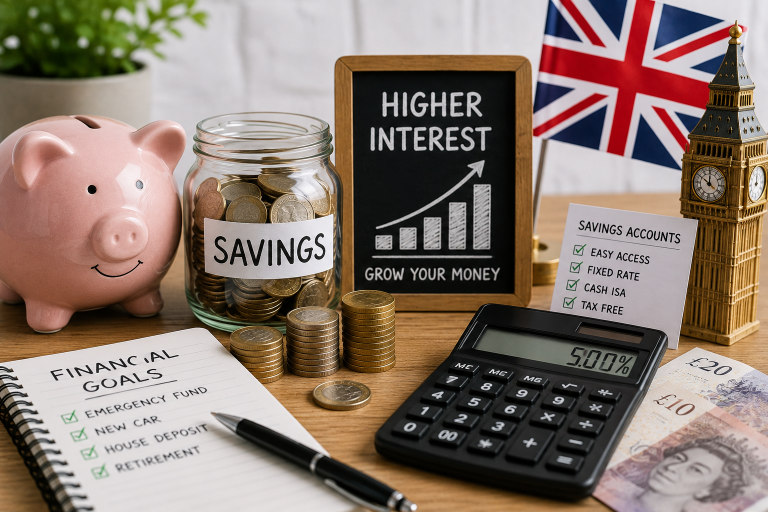
High-Interest Savings Accounts
Pick savings accounts with high interest and low fees. Ensure your bank is CDIC protected. EQ Bank and others often have competitive rates.
Interest rates can change, so compare banks often. Balancing yield and access to your cash depends on when you’ll need it.
A TFSA suits those okay with some risk and wanting tax-free growth. RRSPs are great for tax-deferred retirement savings. Consider using a TFSA for medium-term goals or a backup emergency fund.
Simple saving advice: set savings to automatic, increase savings when you can, and use extra cash wisely. These practices help keep your savings on track with your financial goals.
Navigating Debt Management
Keeping control of our finances means learning to manage debt while reaching our goals. Planning in finance connects everyday choices with long-term savings. Handling debt correctly can protect our credit scores and help grow savings.
Understanding Good vs Bad Debt
Good debt helps us buy things that increase in value or income later. This includes a home mortgage or student loans for a future job. Bad debt comes from high-interest loans like credit card debt or payday loans. What makes a loan good or bad depends on the interest, terms, and reason for it.
Assessing Your Debt Picture
Make a list of what you owe, the interest rates, and monthly payments. Check your credit with Equifax or TransUnion to see how debt changes your borrowing costs. Understanding your debt fully helps manage finances better.
Strategies to Pay Off Debt Efficiently
Choose a payment method that matches your goals. The snowball method eliminates small debts first. The avalanche method pays off high-interest debts quicker.
Considering consolidation might reduce interest through a loan or a line of credit, but watch out for extra fees. If you’re struggling, talk to lenders about easier payment options. Non-profit credit counselling agencies or licensed insolvency trustees can offer advice under Canadian regulations if debt is too much.
Balancing Repayment and Savings
Keep a small emergency fund while paying off high-interest debt. This way, you won’t need to borrow for unexpected expenses. Balancing savings and debt payments helps ensure short and long-term financial security.
Canadian Consumer Protections
Learn your rights under the Financial Consumer Agency of Canada and local laws about debt collection. Knowing your rights makes it easier to negotiate and protects against unfair practices.
- Snowball — boosts motivation by closing accounts.
- Avalanche — saves money by cutting interest paid.
- Consolidation — simplifies payments and can lower rates.
- Professional help — offers structure when overwhelmed.
Investing 101: Starting Your Journey
Investing might seem hard at first. This short guide offers steps and clear choices to build your confidence with money. It helps you pick the right ways to invest.
Types of Investments
Cash equivalents are easy to get to and low in risk. Think about high-interest savings or GICs for soon-to-reach goals.
Bonds come from the government or companies. Bond ETFs let you invest in many without buying each one.
Stocks mean you own part of a company. Buying individual stocks or those paying dividends can earn money. Mix Canadian stocks with international ones for growth and to spread risks.
ETFs and mutual funds make it easy to spread your investment. Vanguard or iShares ETFs are cheap. Actively managed funds try for higher returns but are pricier.
Real estate can earn rent or grow in value. Buying properties is for the direct investor. REITs make it easier by trading on markets.
Alternative investments like commodities or private equity are riskier. They’re for the savvy investor or a tiny bit of your money.
Risk Tolerance and Time Horizon
Your risk tolerance is shaped by age, goals, steady income, and if market changes worry you. Young investors can handle more ups and downs for greater growth later.
Short-term goals are safer with cash or low-risk investments. Long-term goals can go heavier on stocks for more potential gain.
Asset allocation balances your risk tolerance with a mix of money types. A cautious mix might be 70% in bonds and cash. More adventurous could be 80% in stocks.
In Canada, tax-smart accounts are key. A TFSA grows your money tax-free. An RRSP has tax benefits now and tax-deferred growth. Use non-registered accounts when these are maxed out.
Beginners should try discount brokers like Questrade or Wealthsimple Trade. Robo-advisors also help by automatically managing your money. Start small, use regular investments, and pick cheap ETFs to save on fees.
| Goal Horizon | Suggested Allocation | Typical Vehicles |
|---|---|---|
| Short-term (0–3 years) | 90% cash/GICs, 10% short-term bonds | High-interest savings, GICs, short-term bond ETFs |
| Medium-term (3–10 years) | 50% bonds, 50% equities | Bond ETFs, balanced mutual funds, broad-market ETFs |
| Long-term (10+ years) | 20% bonds, 80% equities | Index ETFs, dividend stocks, global equity ETFs |
| Income-focused | 40% bonds, 40% dividend stocks, 20% REITs | Dividend ETFs, corporate bonds, REITs |
When investing in Canada, think about how U.S. or global assets change with currency. Also, understand how dividends are taxed. And remember foreign dividends have a withholding tax.
Start with these basics to build smart investment plans. Keep learning, try small first, and change as you get more comfortable.
Tax Smart: Maximising Your Returns
Taxes impact how we save, invest, and spend. Knowing Canadian tax rules lets you hold onto more money. This section guides you in making wise investment choices. It also helps you in planning your finances better.
Understanding Canadian Tax Brackets
Canada’s tax system is progressive, mixing federal and provincial rates. Each province has its own rates. So, what you pay varies whether you’re in Ontario or Quebec. The more you earn, the higher your tax rate on new income.
Your marginal rate is different from your effective rate. The effective rate is the total tax on all your income. Any extra earnings are taxed at your marginal rate, not the effective rate.
Various types of income have different tax rules. Work income and interest are fully taxable. Half of your capital gains count for taxes. Eligible dividends come with tax benefits. And you can use capital losses to reduce capital gains. RRSPs lower your taxable income now. TFSA withdrawals don’t get taxed or affect tax rates.
Utilizing Tax Credits and Deductions
Credits reduce taxes owed, while deductions lower taxable income. Non-refundable credits can’t give you a refund. But refundable ones can.
Certain credits, like for medical expenses or donations, save money. Government benefits like the Canada Child Benefit can change because of these credits.
Deductions can be for RRSPs, childcare, or moving costs. They help shift income to lower tax brackets. It’s all about choosing the right deductions.
Where you hold your investments can affect taxes. Registered accounts are best for savings that earn interest. Stocks or assets that grow in value should be outside these accounts. This way, you get more after taxes.
Smart tax moves include sharing income within laws, using spousal RRSPs, and planning RRSP contributions. Use official CRA guides or software like TurboTax for help. With complicated tax situations, it’s wise to see a tax advisor.
Retirement Planning: Secure Your Future
Getting ready for retirement might seem tough. Begin with clear aims and a simple action plan. Doing little but steady savings can grow more than one big deposit. That’s key for smart retirement and financial plans.
Importance of Starting Early
Compound interest loves time. Starting to save at 25 means you’ll likely save more than starting at 35, even if you save less each year.
Making regular, small deposits monthly can see your money double or triple over years. That’s why starting early with RRSP or TFSA accounts is wise.
Later small steps can also help. But it’s best to start early. Set auto transfers and check your progress often. It’s a solid long-term plan.
Types of Retirement Accounts in Canada
Canada has many accounts for retirement. CPP and OAS are the government’s part. Work pensions add more support. RRSP and TFSA are great for tax-smart saving.
Different employers offer different pension plans. Some guarantee a set amount. Others depend on how investments do. When retiring, you can turn RRSPs into RRIFs or buy annuities for a constant money flow.
To plan, first figure out how much money you’ll need. Check your CPP and OAS on My Service Canada Account. Use calculators to guide your saving goals. Remember to consider inflation, health costs, and the lifestyle you desire.
- Maximise employer matching contributions when available to boost savings.
- Split savings between RRSP and TFSA for tax flexibility in retirement.
- Use catch-up contributions if you fall behind before the RRSP deadline at age 71.
Remember the age-based rules, like changing RRSPs by 71 and RRIF withdrawals. Being smart about these rules can help save more money for retirement and improve overall financial planning.
Maintaining Financial Health Over Time
Keeping your finances healthy requires regular care and simple methods. Start by setting a routine to check on finances: look over expenses every month, tweak your budget every three months, and do a big financial check-up once a year. You can use spreadsheets, budgeting apps like Mint or YNAB, or get help from a financial advisor to track your progress and keep everything organized.
Periodic Financial Check-Ups
During each financial check-up, update how much you’re worth and see if you’re meeting your financial goals. Make sure your accounts match up, check if your investments still fit your goals, and adjust if necessary. Also, make sure your insurance is up to date, look over your tax plans and how you’re doing on paying off debts. Don’t forget to check on your will and power of attorney every year.
Adapting Your Budget as Your Life Changes
Big life changes like getting married, having kids, starting a new job, buying a house, splitting up or retiring make it necessary to adjust how you spend and save money. You may need to change how you categorize expenses, increase insurance, update who gets your money if something happens to you, and save more. Setting up automatic transfers to savings and debt payments can help keep your spending in check and save more when you get a raise.
When life gets complicated, it might be a good idea to talk to financial experts like certified planners, tax accountants, and lawyers who specialize in estate planning. Keep learning about finances, regularly go over your plans, and find a balance between enjoying now and saving for later to keep your lifestyle and finances secure.